
Myth: “Posting daily boosts your performance.”
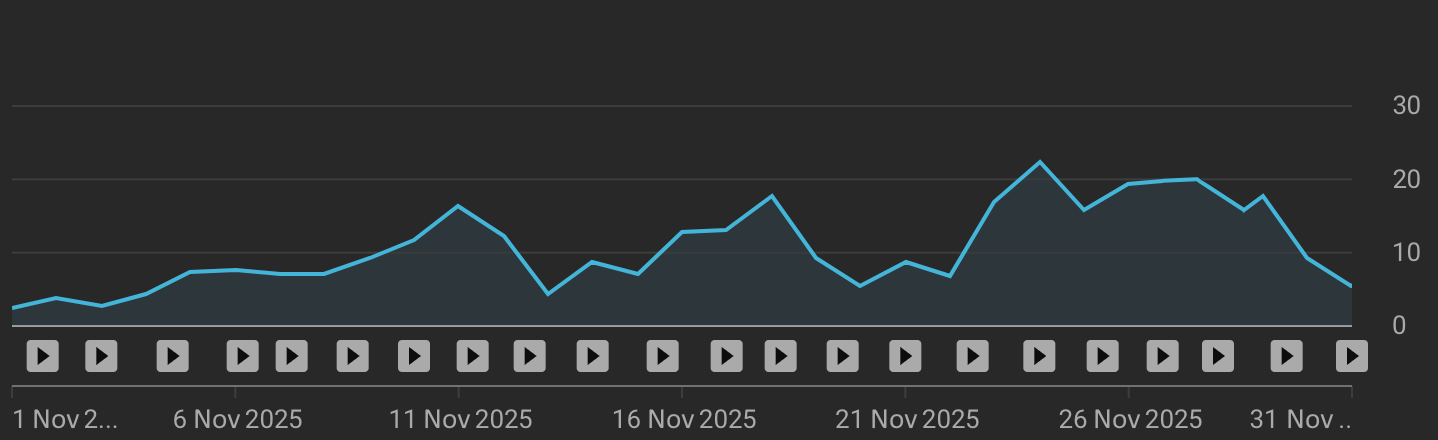
Posting frequency is not stated as an official ranking in YouTube Search or Recommendations.
Quality is more important than quantity. YouTube only evaluates relevance (How well the title, tags, description and content match the query), engagement (Watch time on the query) and quality (Channel expertise, authority and trust on a topic).
“No, we’ve done analyses over the years and found that growth in views across uploads is not correlated with time between uploads.“ - YouTube
🔗 Source: YouTube Help - How YouTube discovers and ranks content
Myth: “Longer videos rank higher.”
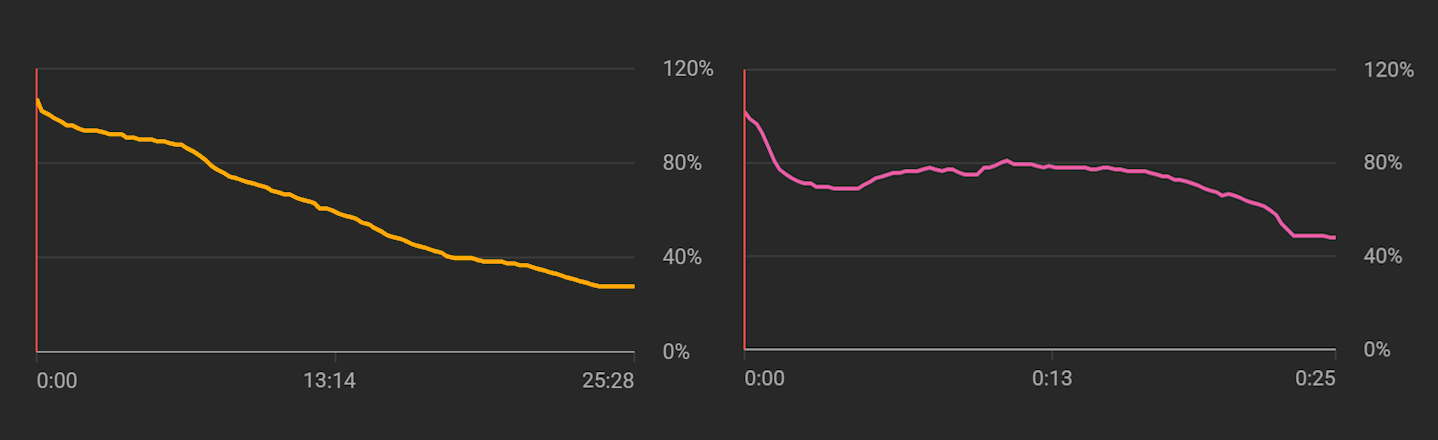
No. As YouTube stated, neither making your videos intentionally longer or shorter make it more successful. While shorter videos may have better retention, what matters is how well your video keeps viewers on the platform overall. And on the other side, longer videos have to deal with less viewer engagement.
“As a result, our primary recommendation is to simply continue making the great videos your audience loves, and stay away from questionable optimization strategies.“ - YouTube
🔗 Source: YouTube Blog - Watch time focus
Myth: “High view count boosts ranking automatically.”
YouTube does not use total view count as a ranking signal.
Instead, YouTube looks at how well the video satisfies and engages similar audiences.
A video with fewer highly engaged viewers can therefore outrank a viral video.
🔗 Source: YouTube Help - How are videos ranked in Suggested under “Up Next”?
Truth: “Publish time does NOT influence long-term performance.”
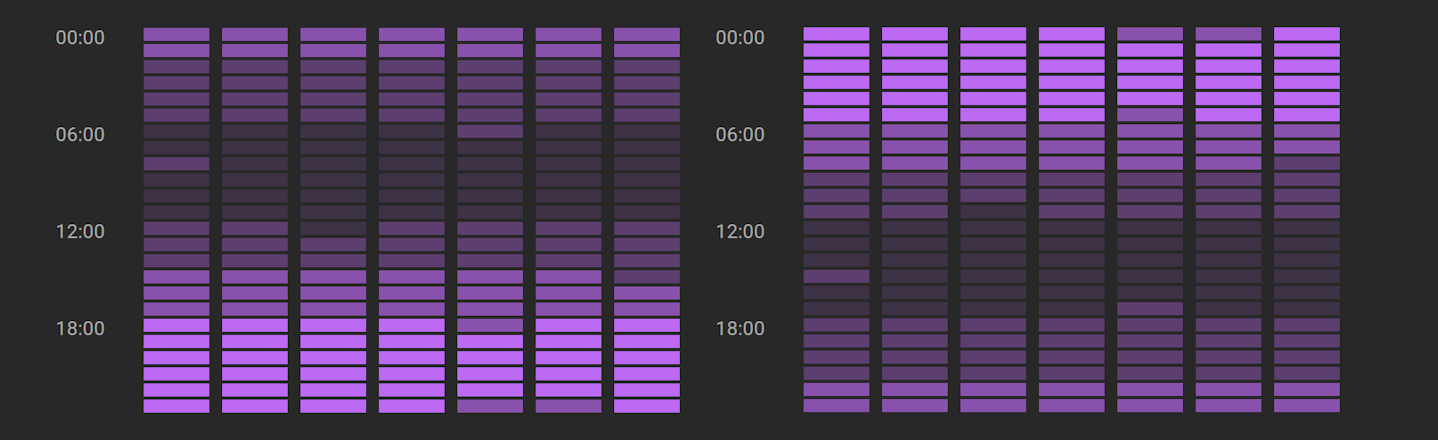
“Publish time is not known to impact a video's long-term performance.” - YouTube
Upload timing may help with early viewership, especially for Live or Premieres, but it has no effect on long-term ranking. YouTube’s recommendation system focuses on showing the right videos to the right viewers, regardless of when they were published
🔗 Source: YouTube Help - Publish time and long-term performance
Truth: “Switching from Unlisted to Public does NOT harm performance.”
“No, what matters is how viewers respond after it’s been published.” - YouTube
YouTube clearly states that an unlisted → public switch has no negative impact on discovery.The algorithm only evaluates the performance after the video becomes public, not before. There is no “shadowban”, no ranking penalty, and no disadvantage for holding a video unlisted first.
🔗 Source: YouTube Help - Unlisted to public and performance
Truth: “One underperforming video does NOT hurt your channel.”
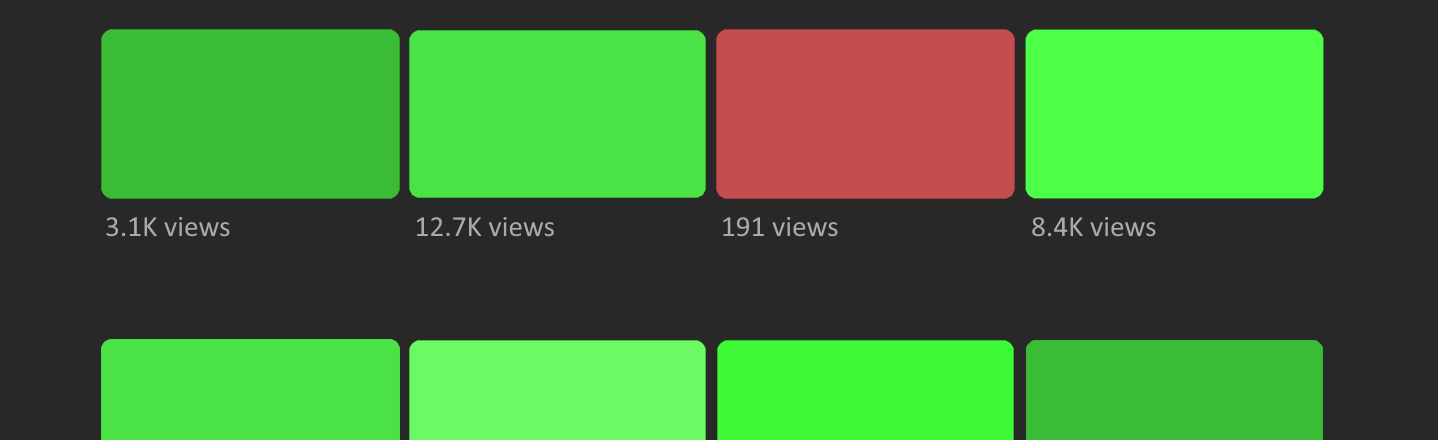
“YouTube’s systems rely more on video and audience-level signals to decide recommendations. One underperforming video doesn’t hurt your channel.”
-
YouTube
YouTube has officially confirmed that there is no channel-level penalty for a poor-performing upload. Each video is evaluated independently, based on how viewers respond when it’s offered to them.
🔗 Source: YouTube Help - Underperforming videos and channel impact